
“The story of seeds and innovation at Burpee is also the story of American innovation.” — George Ball, Executive Chairman, W. Atlee Burpee & Co.
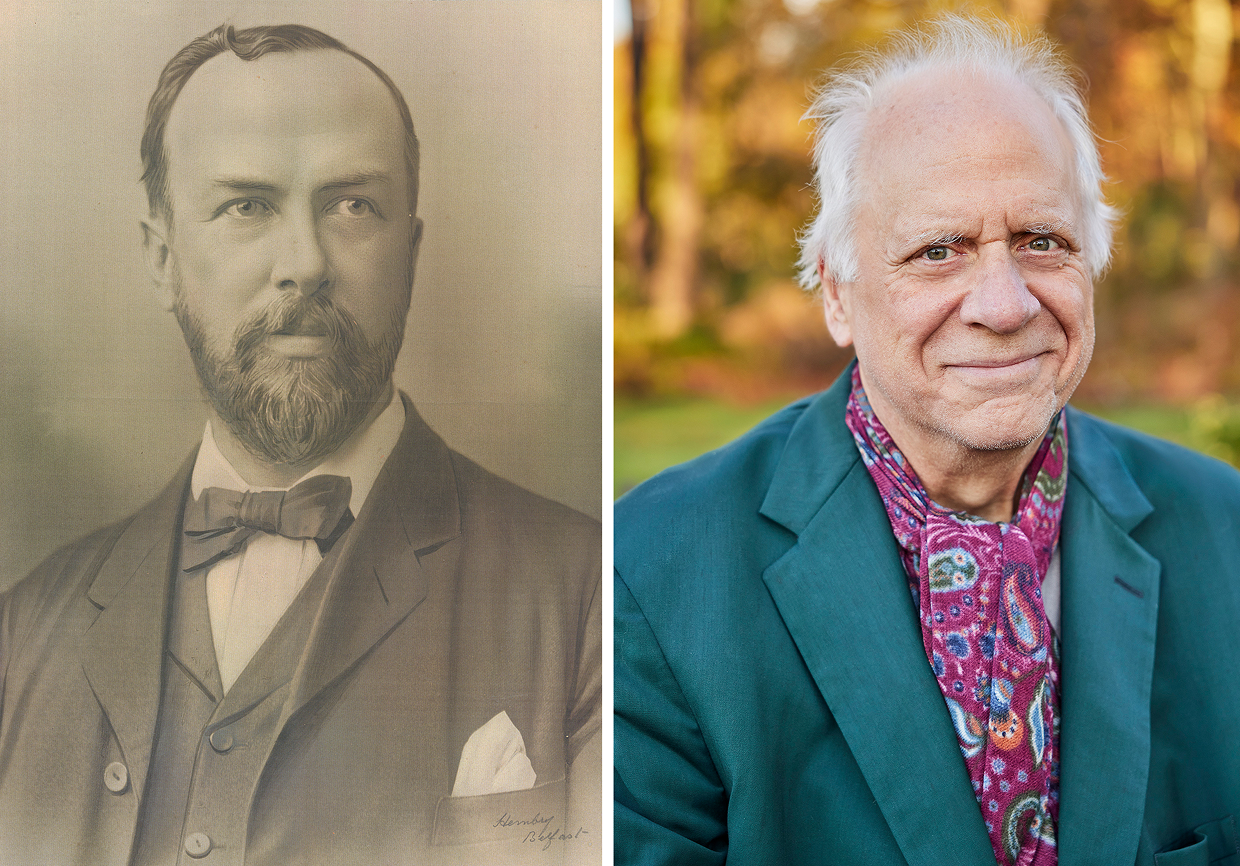
In the summer of 1876, the United States celebrated its 100th birthday, and Philadelphia welcomed visitors from across the country to mark a century of independence, invention, and optimism. Amid the parades and pageantry, a teenager named Washington Atlee Burpee walked among the agricultural exhibits and was struck with inspiration. That year, Burpee established a mail-order poultry and livestock company that would transform into the seed and plant company we know today.
That moment and the growth of Burpee’s seed company in the years that followed were no accident of history, Burpee Executive Chairman George Ball said. “The country and the company evolved together. The story of seeds and innovation at Burpee is also the story of American innovation,” Ball said. As Burpee celebrates its 150th anniversary and the United States approaches its 250th in July 2026, both legacies are defined by resilience and a belief that better solutions can create a better future.
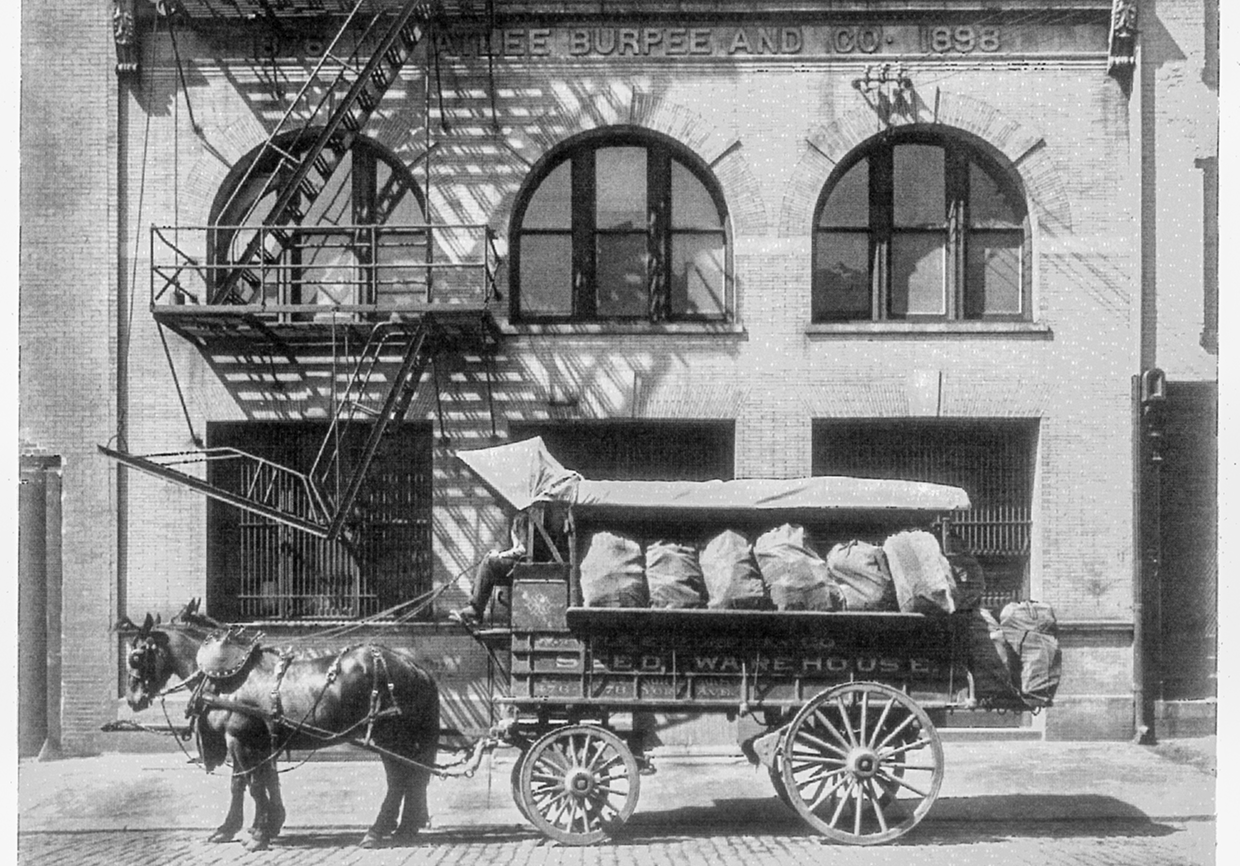
A Century and a Half of Growth
By the American centennial, 18-year-old Burpee was already a gardener and an innovator. “He was benefiting from the freedom and liberty that were founded a hundred years earlier,” Ball said. Burpee first started a business selling livestock and realized that his customers also needed a source for quality seeds to feed their animals. By his second year in business, he reshaped his business to focus on sourcing and selling quality garden seeds. In 1896, the introduction of rural fee delivery (RFD) by the United States Postal Service made it easy for Burpee to mail beautifully illustrated catalogs nationwide.
“His seed catalog could be sent straight to farmers’ and gardeners’ homes, where it was eagerly awaited each winter,” Ball said. “That helped the world of gardening to become accessible to families across the country.” Distributing the catalogs increased his customers, allowing him to focus on innovation: developing more varieties of plants and improving their quality for all regions. By the turn of the century, Burpee’s eponymous seed company had become the largest in the nation, and its mission continues today with its steady introduction of new flowers, vegetables, and herbs to help Americans grow productive and delightful gardens.
1876
Washington Atlee Burpee establishes the company.
1894
Non-wilting Iceberg lettuce and Stringless green beans are introduced.
1902
Golden Bantam first-ever yellow sweet corn changes the market.
1949
The head-high Big Boy tomato plant makes harvesting easier.
1998
The Fourth of July tomato is the first sandwich-slicer to ripen by Independence Day.
2025
Garden Sown® tomato and pepper seeds can be direct sown outdoors.
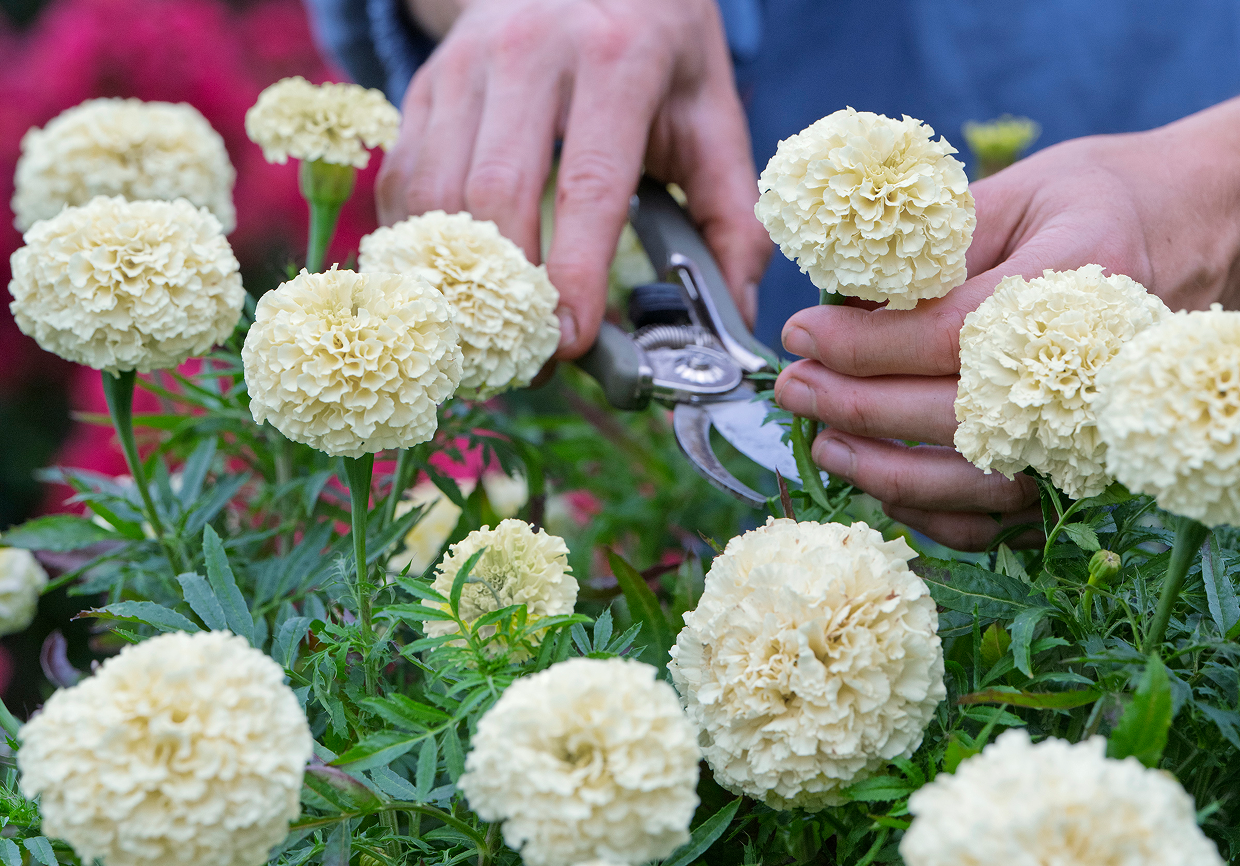
150 Years of American Gardening
Burpee’s Four Seed Collections to Celebrate America’s 250th
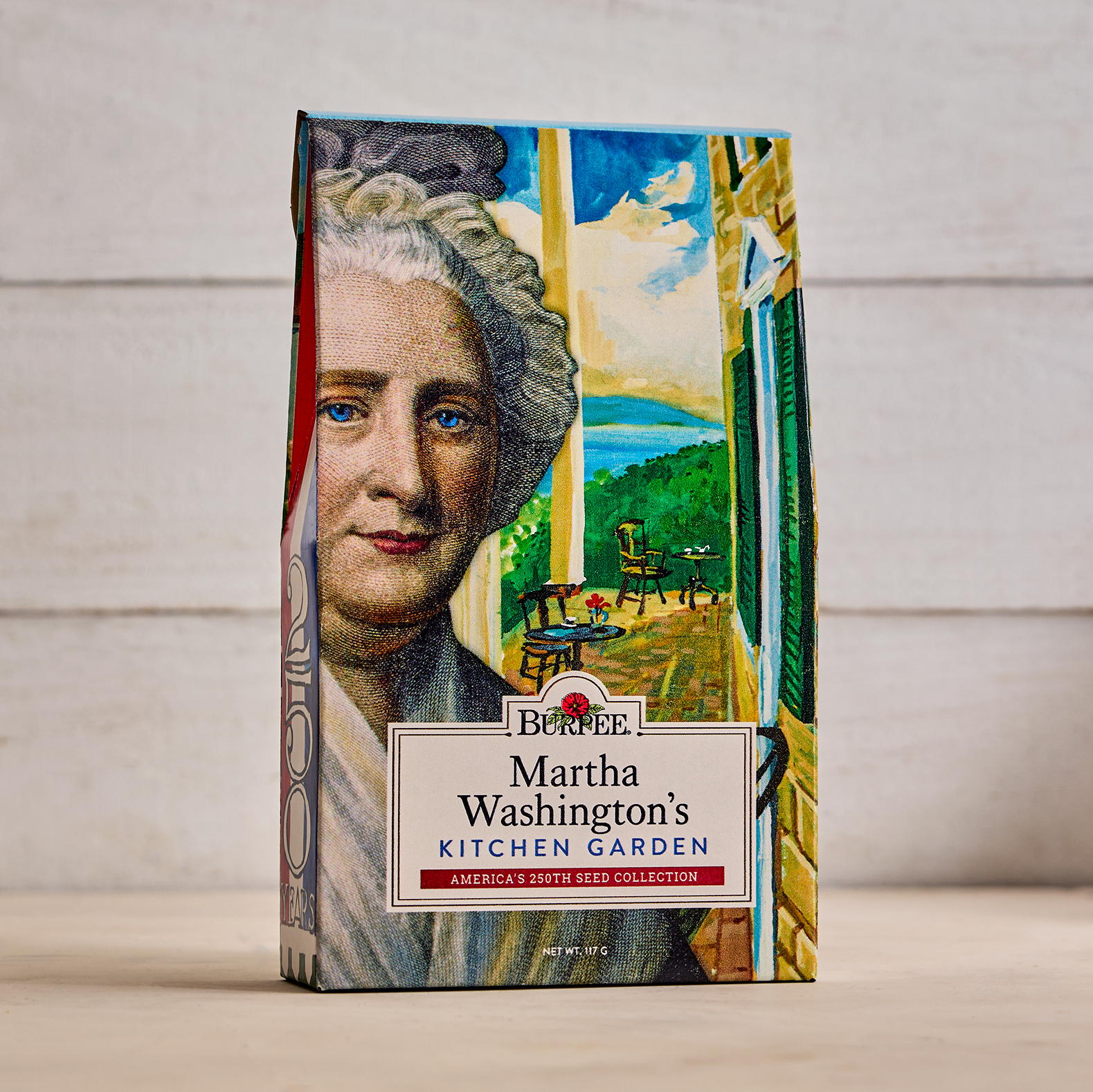
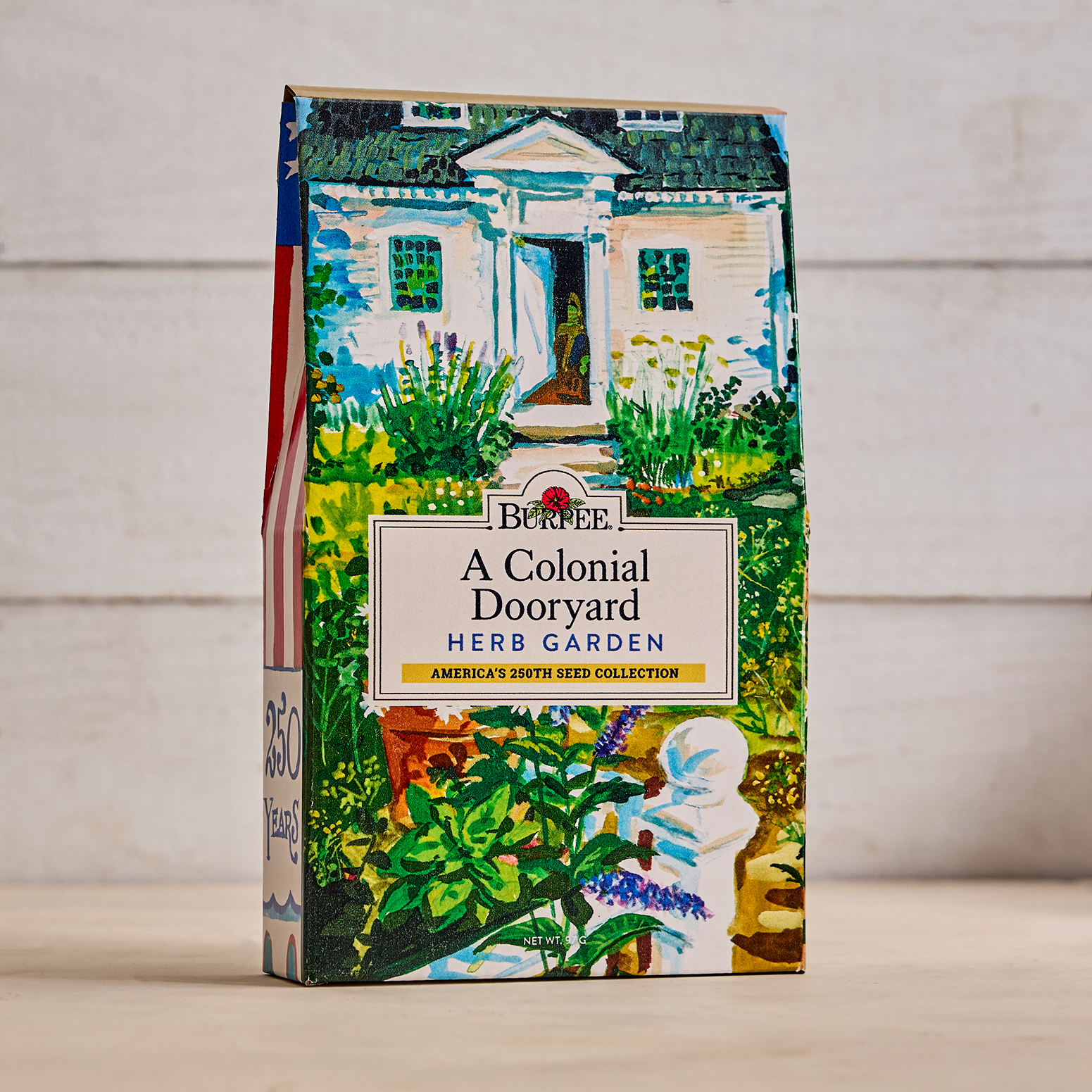
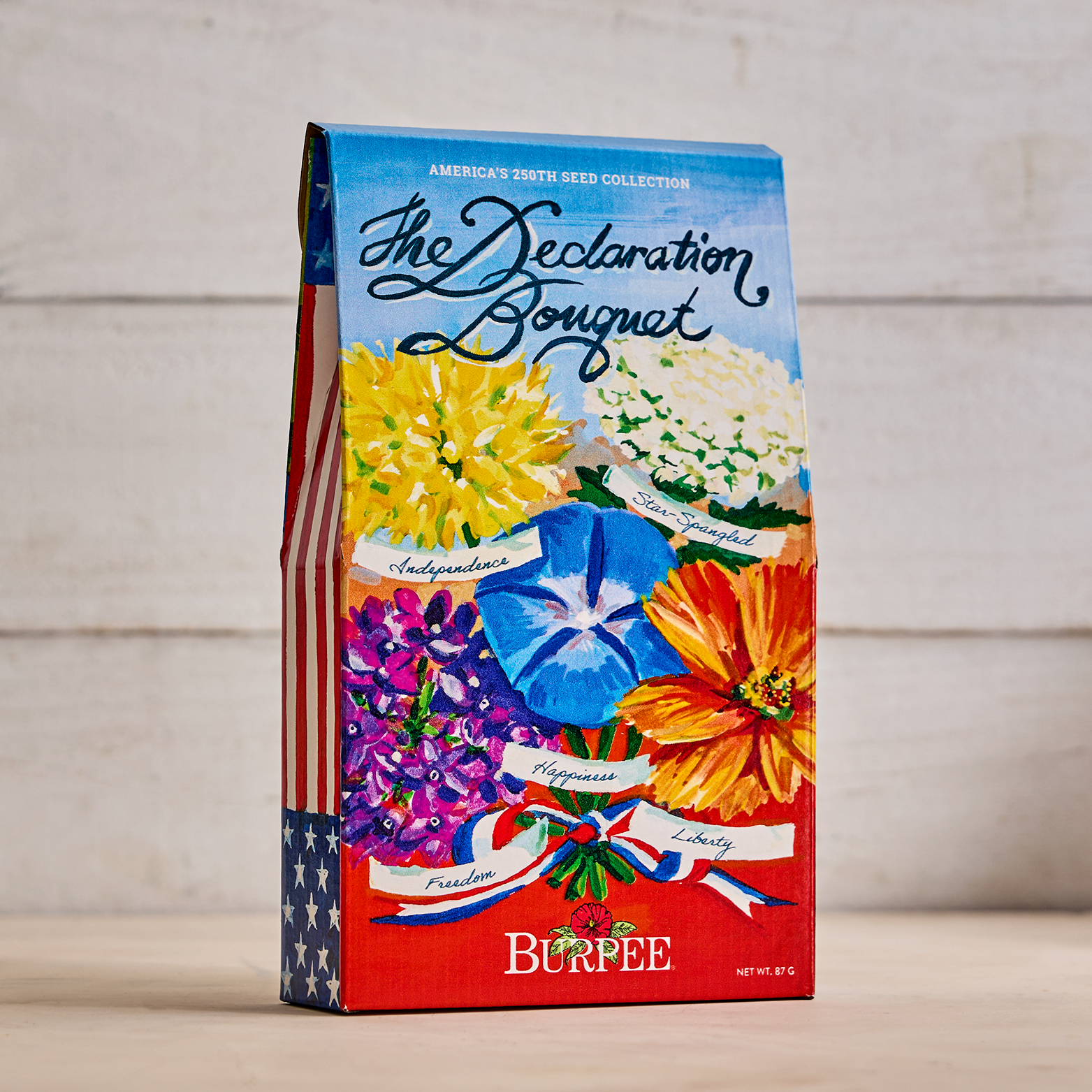
Burpee has created four historic seed collections to celebrate and honor our country’s founders, ideals, and early gardens. “These collections provide a fun and unique way for gardeners and their families to celebrate America’s 250th beyond just fireworks,” Ball said.
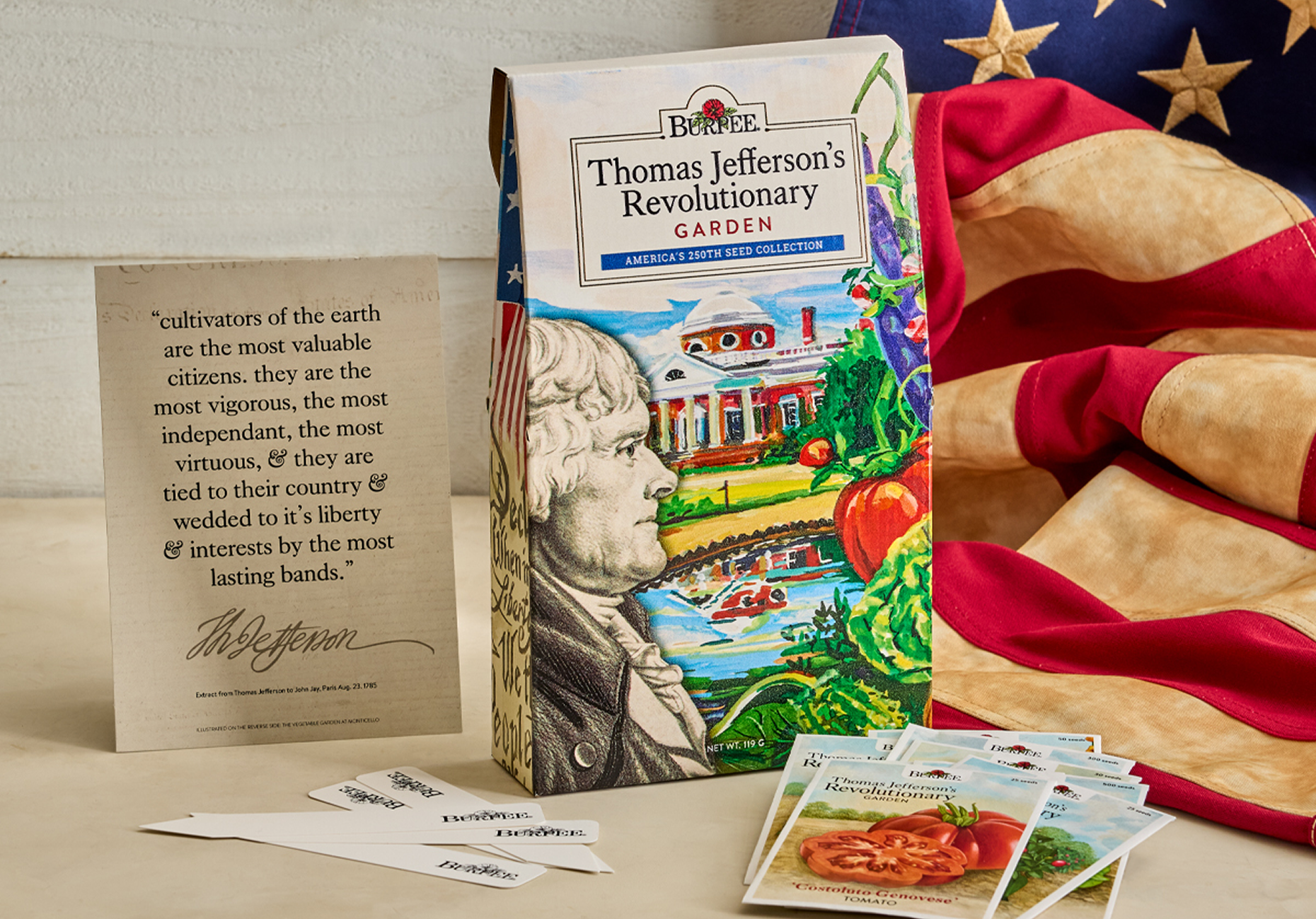
“Gardeners can plant heritage crops that Thomas Jefferson and Martha Washington grew in their gardens. They can plant a colonial-style herb garden or a celebratory Declaration Bouquet with flowers representing ideals of our founding fathers. These collections will provide abundant yields of vegetables and flowers and, we hope, spark an interest to learn more about the history of each one. A bonus is their beautiful packaging, designed to be a commemorative collectible for this milestone year,” Ball said.
“Burpee was honored to partner with Thomas Jefferson’s Monticello, George Washington’s Mount Vernon, the American Horticultural Society, and the Museum of the American Revolution. We encourage everyone to learn more about America’s founding history and early gardens at our partner organizations to enrich the experience of growing any of the collections,” Ball said. Below is more on each of the collections.

Burpee’s 150th Anniversary Historic Breakthroughs Seed Collection
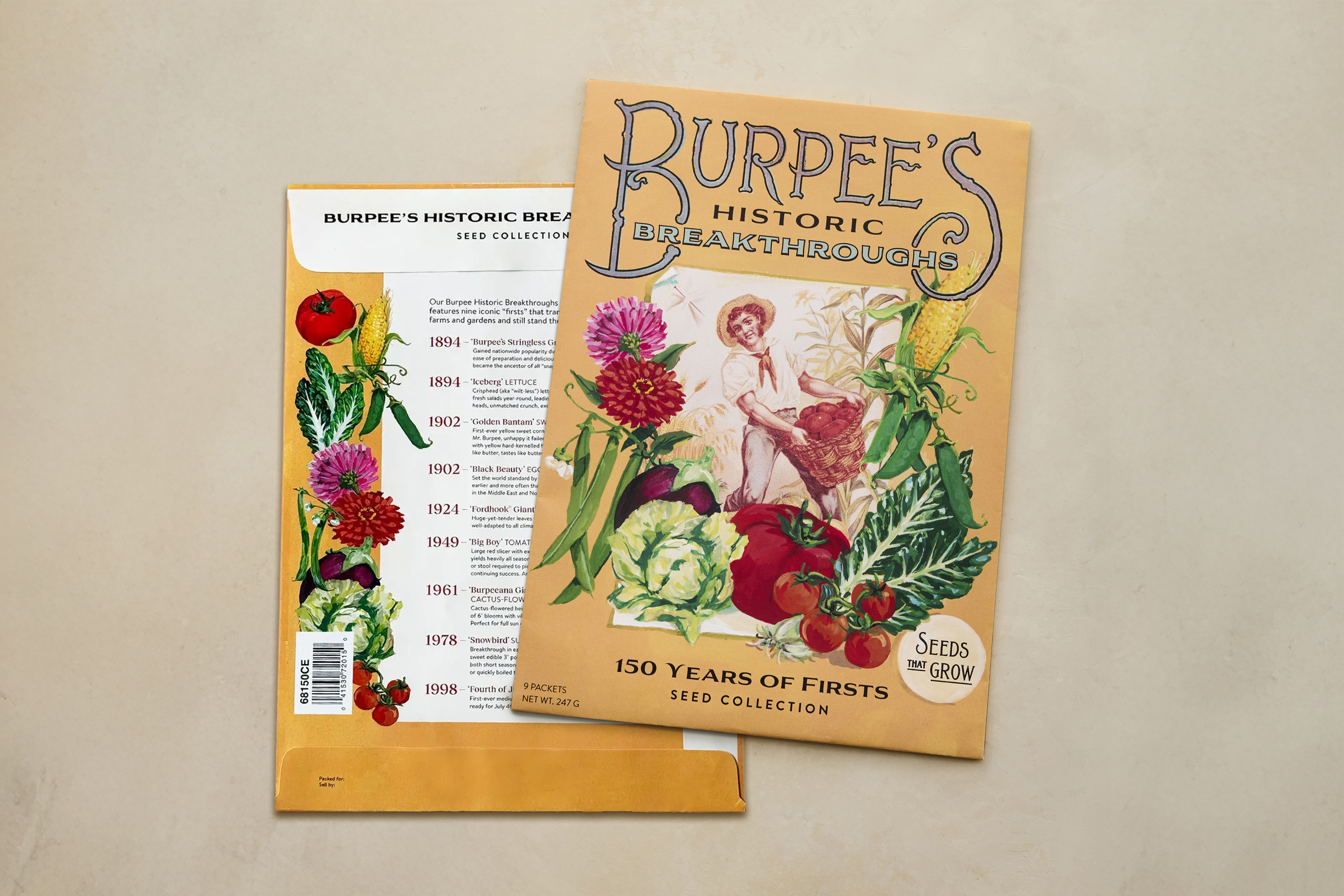
This year, the company unveiled a 150th Anniversary Historic Breakthroughs Seed Collection featuring nine of its most famous “firsts.” “‘Firsts’ means leaders in quality and innovation,” Ball said. “These are vegetable plants that had new features, making them instantly popular when introduced. Over time, all have proven to be exceptional and reliable performers, which is why they are still in demand and included in our catalog many decades later. No other company can claim that.”
The Burpee Historic Breakthroughs Seed Collection contains the following plants:
- Burpee’s Stringless Green Pod bush bean, introduced in 1894, which provided abundant yields and no strings.
- Iceberg lettuce, introduced in 1894, which produced crisp, “wiltless” leaves.
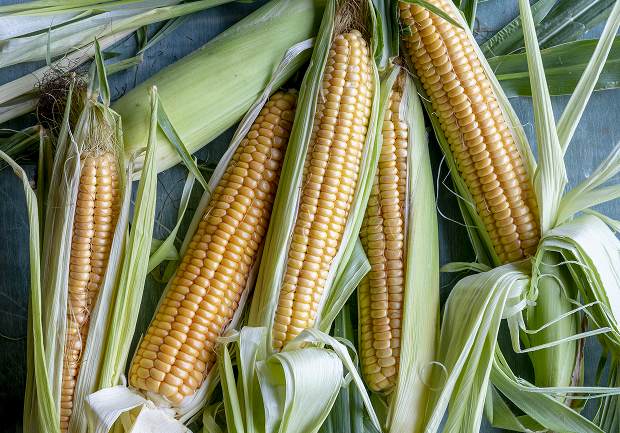
- Golden Bantam sweet corn, introduced in 1902, the first-ever yellow sweet corn with an irresistible tagline, “Looks like butter, tastes like butter.”
- The Black Beauty eggplant, introduced in 1902, which produced earlier yields of larger, sturdier oval-shaped fruits.
- The Fordhook giant Swiss chard, introduced in 1924, bred to grow in a diversity of climates and supply abundant yields of large tender leaves.
- The Big Boy tomato, introduced in 1949, with exceptional flavor, aroma, and high yields of large fruits on sturdy stems.
- Burpeeana Giants mixed colors zinnias, introduced in 1961, which produced tall stems and large six-inch sized, multi-color blooms.
- The Snowbird sugar snap pea, introduced in 1978, which offered early yields making it a wonderful choice for short season growing regions.
- And finally, the Fourth of July tomato, introduced in 1990, which bore delicious, slicer-sized fruits just in time for Independence Day.
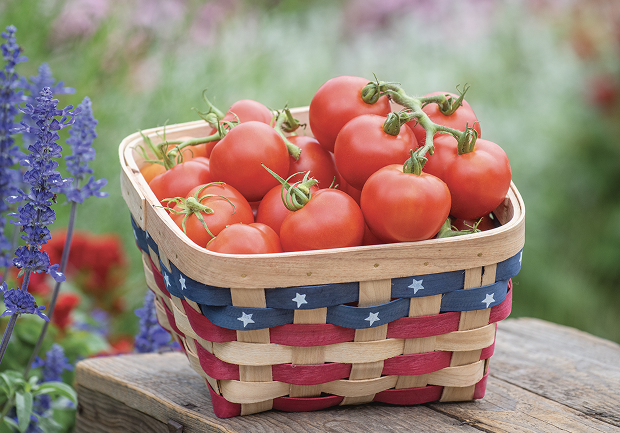
As a thank-you to customers in this anniversary year, Burpee is offering the 150th Anniversary Historic Breakthroughs Seed Collection for a special price of $29.95 at burpee.com.
Growing the Future
“As Burpee marks 150 years and America approaches 250, the company’s invitation is simple and powerful: grow something meaningful,” Ball said. “In every seed is a story of adaptation, growth, and hope. Planting them today is not just an act of gardening that underscores independence itself but is also a reminder of what is possible in the future. Burpee’s continual insistence on innovation and quality enables us to help Americans grow productive and beautiful gardens.”